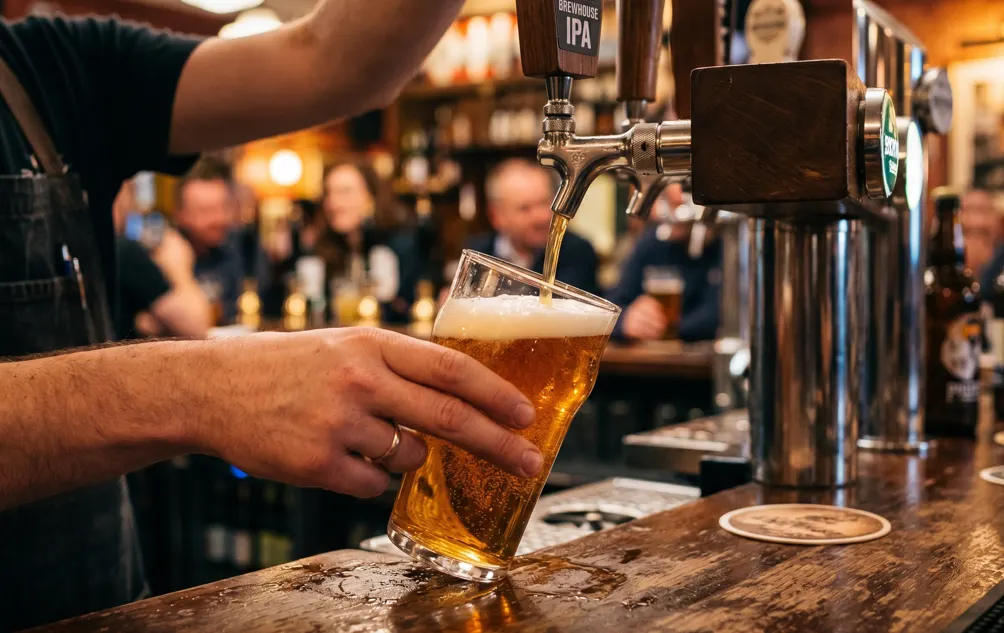
If you own a bar, tavern, or restaurant in South Carolina that serves alcohol, liquor liability insurance isn’t just a good idea. For most establishments, it’s the law. Every time a customer orders a drink, your business takes on risk. If that customer later causes harm to themselves or others, you could be held financially responsible.
Liquor liability insurance exists to protect businesses like yours. Below we break down what it covers, what South Carolina law actually requires, what it costs, and how recent 2026 law changes affect you.
Is Liquor Liability Insurance Required in South Carolina?
Yes, for most establishments. Under South Carolina Code Section 61-2-145, any business licensed to sell alcohol for on-premises consumption that stays open after 5:00 p.m. must carry a liquor liability policy (or a general liability policy with a liquor liability endorsement) of at least $1 million in total coverage. The per-occurrence limit must be at least 50% of that total.
This isn’t optional paperwork. Failing to maintain the required coverage is grounds for suspension or revocation of your alcohol license, which can shut your doors. Your insurer is also required to notify the state if your policy lapses or is cancelled.
What Does Liquor Liability Insurance Cover?
Liquor liability insurance covers claims that arise when someone is injured, or their property is damaged, as a result of alcohol served at your establishment. A standard policy typically covers:
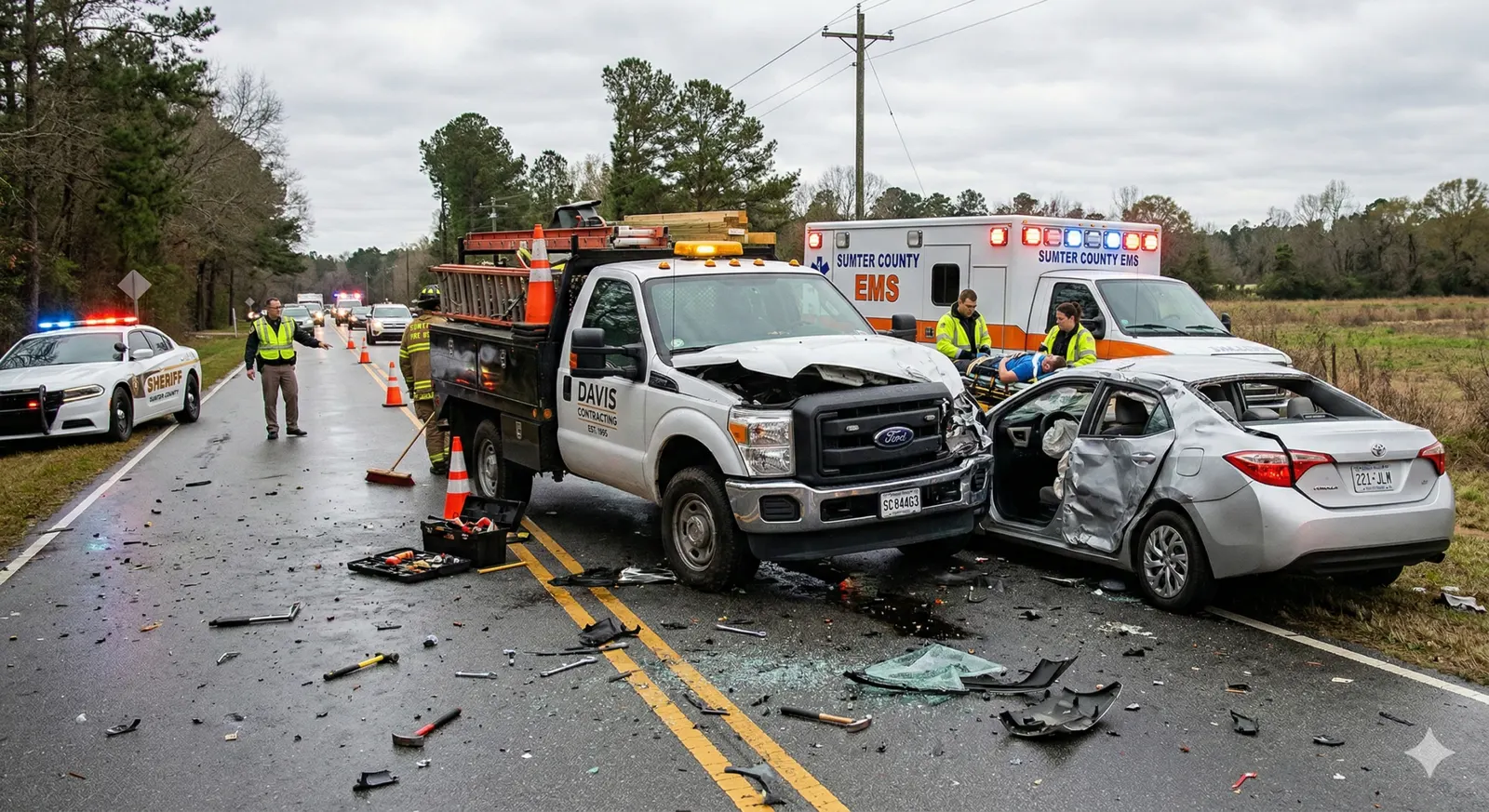
- Bodily injury claims: for example, if a patron causes a car accident after drinking at your bar and injures someone.
- Property damage claims: if an intoxicated customer damages someone else’s property after leaving.
- Legal defense costs: even an unfounded claim requires an attorney, and those fees add up fast.
- Settlements and judgments: if your business is found liable, the policy pays court-awarded damages up to your limits.
A single serious incident can produce medical bills in the six or seven figures. Without coverage, that comes out of your pocket, and potentially your personal assets.
What Are South Carolina’s Dram Shop Laws?
“Dram shop” laws hold alcohol-serving businesses responsible for harm caused by intoxicated patrons. In South Carolina, if your business serves alcohol to a visibly intoxicated person and that person goes on to injure someone, your establishment can be held liable.
That exposure is exactly why the state mandates $1 million in coverage, and why landlords and licensing authorities often require proof of liquor liability insurance before they’ll lease you space or approve an alcohol license.
What Changed in 2026? (Tort Reform: Act 42)
This is the most important update for SC bar and restaurant owners, and most older articles haven’t caught up to it.
On May 28, 2025, the governor signed Act 42 (H.3430), a tort reform and liquor liability law that took effect January 1, 2026. Two changes matter most to you:
1. Joint-and-several liability is limited. Previously, a bar could be forced to pay 100% of a judgment even if it was only partly at fault. Under the new law, a defendant found less than 50% at fault generally only pays its own share of the damages, a meaningful reduction in your worst-case exposure.
2. You can now reduce your required coverage through risk-mitigation steps. The $1 million baseline can be lowered if you take specific measures:
- Stop serving alcohol by midnight → coverage requirement reduced by $250,000
- Have all staff complete alcohol-server training within 60 days of hire → reduced by $100,000
- Keep alcohol at less than 40% of total sales → reduced by $100,000
These aren’t just discounts. They’re built into the law. If you run a restaurant that closes early and trains its staff, you may legally carry less coverage and pay a lower premium. An independent agent can help you document these steps with your carrier.
How Much Does Liquor Liability Insurance Cost in South Carolina?
Cost varies widely based on your establishment, but here’s a realistic picture:
- Restaurants where alcohol is a small share of sales often pay roughly $3,000 + per year.
- Bars, taverns, and nightclubs where alcohol drives most revenue typically pay a minimum of $10,000 + per year, and that number can go much higher.
Several factors drive your premium:
- Annual alcohol sales: more drinks served means more exposure.
- Type of establishment: a late-night bar pays more than a family restaurant that serves wine.
- Percentage of revenue from alcohol: under 40% can both lower your premium and reduce your required coverage.
- Hours of operation: closing by midnight reduces both risk and your coverage requirement.
- Claims history: past liquor claims raise your rates.
- Staff training: TIPS or ServSafe Alcohol certification can earn discounts and helps satisfy the new law’s training provision.
How Is Liquor Liability Different from General Liability?
Many owners assume their general liability policy covers alcohol-related incidents. It almost never does. Most general liability policies contain an explicit liquor liability exclusion for businesses that sell, serve, or manufacture alcohol.
General liability covers things like a customer slipping on a wet floor. Liquor liability covers the consequences of alcohol consumption. You need both to be fully protected, which is why South Carolina lets you satisfy the requirement with a general liability policy that includes a liquor liability endorsement.
How to Get Covered
The simplest path is to work with an independent insurance agent who knows South Carolina’s hospitality market and can shop multiple carriers for you. An independent agent compares policies from several insurers to find the right limits at the most competitive price, and can help you structure coverage around the new 2026 risk-mitigation rules so you’re not over-paying.
Frequently Asked Questions
Is liquor liability insurance required in South Carolina? Yes. Any business licensed to sell alcohol for on-premises consumption that stays open past 5:00 p.m. must carry at least $1 million in liquor liability coverage under SC Code § 61-2-145.
Can I lower my required coverage in South Carolina? Yes. Under the 2026 law, you can reduce the $1 million requirement by stopping alcohol sales by midnight (−$250,000), training all staff within 60 days (−$100,000), or keeping alcohol under 40% of sales (−$100,000).
Does my general liability policy cover alcohol-related claims? Almost never. Most general liability policies exclude liquor liability. You need a separate liquor liability policy or a liquor liability endorsement.
What happens if I don’t carry the required coverage? Failing to maintain the required liquor liability coverage is grounds for suspension or revocation of your alcohol license.
Protect Your South Carolina Bar or Restaurant Today
At Griffin Insurance Agency, we specialize in helping South Carolina bars, taverns, and restaurants find the right liquor liability coverage, and our restaurant insurance page covers the rest of the package, from BOPs to spoilage. As an independent agency, we shop the market for you to find the best policy at the best price, and we’ll make sure you meet South Carolina’s requirements while taking advantage of every coverage reduction you qualify for. Don’t wait until a claim happens. Let’s get you covered today.