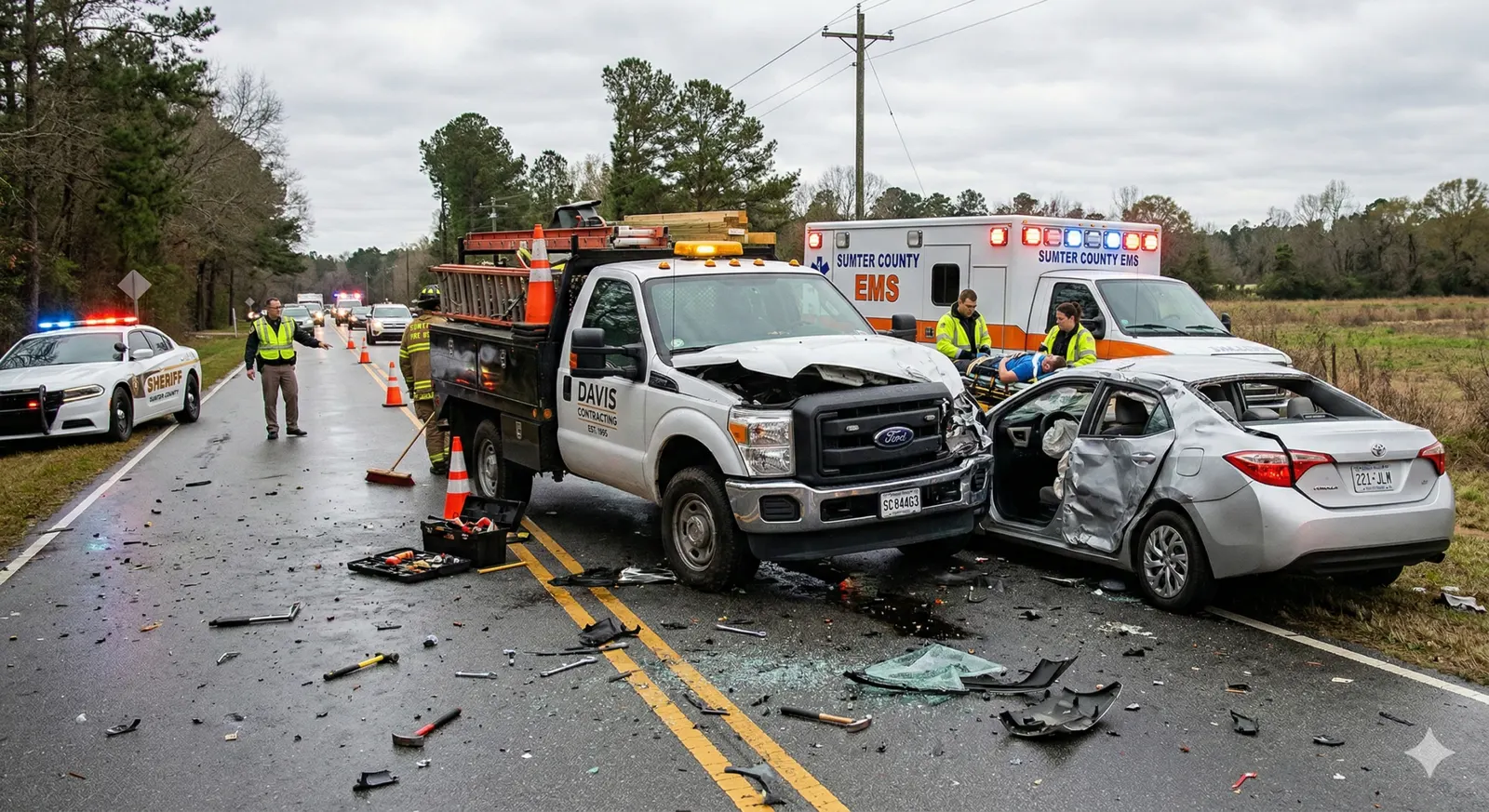

A group home is a business, not a residence, and that one distinction changes everything about how it gets insured. A homeowners policy will not cover it. What you need instead is a commercial package built around general liability, professional liability, abuse and molestation coverage, commercial property, business auto, and workers’ compensation. Missing any one of those can end a program, not just a claim.
Here is what South Carolina operators need to know.
What Counts as a Group Home in South Carolina?
“Group home” is a plain-English term that covers several very different licensed operations here, and the license type drives the insurance:
- Community Residential Care Facilities (CRCFs). Room, board, and personal care for two or more adults. Licensed and inspected by the South Carolina Department of Public Health, which took over health facility licensing when DHEC split into two agencies on July 1, 2024.
- Homes serving adults with intellectual and developmental disabilities. Community training homes, supervised living programs, and similar residential models. These fall under the Department of Behavioral Health and Developmental Disabilities, created by Act No. 3 of 2025, which absorbed DDSN as its Office of Intellectual and Developmental Disabilities.
- Residential group care for children. Licensed by the South Carolina Department of Social Services under Chapter 114 of the state regulations.
- Recovery residences and behavioral health housing. Rules vary widely depending on the level of service provided and any certifications carried.
Carriers underwrite these very differently. A four-bed IDD home with awake overnight staff is a different risk than a sixteen-bed CRCF with medication administration or a therapeutic children’s home. Tell your agent the license type first.
Will a Homeowners Policy Cover My Group Home?
No, and this is the single most expensive mistake we see new operators make.
Homeowners policies exclude business activity on the premises. If you bought a house in a residential neighborhood, put a homeowners policy on it, and started serving residents for pay, you likely have no coverage for a resident injury, a staff allegation, or even a kitchen fire, because the carrier was never told what the building is being used for. Worse, the misrepresentation can support a denial and a rescission back to inception.
Group homes get insured on commercial forms, usually through specialty carriers that write human services and social service organizations. Standard preferred markets often decline this class outright.
What Coverages Does a South Carolina Group Home Actually Need?
The core package:
- Commercial general liability. Slips, falls, visitor injuries, premises claims. $1 million per occurrence and $3 million aggregate is the common contract requirement.
- Professional liability. Claims arising from care, supervision, medication errors, and treatment decisions. General liability alone does not respond to these.
- Abuse and molestation liability. Covered in its own section below because it deserves it.
- Commercial property. The building and contents at replacement cost, plus ordinance or law coverage if the structure is older. Residential structures converted to commercial use often trigger code upgrades after a loss.
- Business auto and hired and non-owned auto. If staff transport residents to appointments, day programs, or church in an agency van or their own car, you need both.
- Workers’ compensation. More on the South Carolina threshold below.
- Umbrella or excess liability. Often required by contract and cheap relative to what it buys.
- Employment practices liability. High-turnover, hourly, direct-care workforces generate wage, discrimination, and wrongful termination claims.
- Crime and employee dishonesty. Staff handle resident funds, benefit checks, and petty cash. This one gets overlooked constantly.
- Cyber and privacy liability. You hold protected health information. A breach carries notification costs whether or not anyone sues.
- Directors and officers. If you operate as a nonprofit with a volunteer board, your board members are personally exposed without it.
- Business income. If a fire closes the home, revenue stops but payroll and the mortgage do not.
Why Is Abuse and Molestation Coverage the One to Watch?
Because it is the claim most likely to close your doors, and because it is frequently excluded, sublimited, or written on terms that surprise operators after the fact.
Many general liability policies either exclude abuse and molestation entirely or grant a sublimit far below the policy limit, say $100,000 inside a $1 million policy. Others write it on a claims-made basis while the rest of the policy is occurrence, which creates a gap the day you switch carriers if you do not buy tail coverage. Some exclude defense costs from the limit, some include them and erode it.
Read three things on every quote: the limit, the trigger, and whether defense is inside or outside the limit. If your agent cannot answer those three questions about your current policy, that is worth a conversation.
Do I Need Workers’ Compensation for a Group Home in South Carolina?
If you have four or more employees, South Carolina law requires it. Part-time staff count.
Direct care is a physically demanding job. Lifting and transfer injuries, back strains, and resident-related incidents are the common claims. Many operators try to classify direct care staff as independent contractors to stay under the threshold. That rarely holds up, and a misclassification finding after an injury is far more expensive than the premium would have been.
Also keep in mind that most state contracts and funding agreements require workers’ compensation regardless of headcount, so the four-employee rule is often beside the point.
What Will My Contracts and License Actually Require?
Provider agreements, Medicaid waiver contracts, county contracts, and landlord leases each carry their own insurance requirements, and they rarely match each other. Pull every agreement you have signed and check for:
- Required limits, which often exceed what you carry
- Additional insured status for the state agency, county, or landlord
- Waiver of subrogation language
- Certificate delivery and renewal notice requirements
- Specific abuse and molestation limit requirements
Send those documents to your agent before renewal, not after a certificate request bounces back.
What Drives the Cost of Group Home Insurance in South Carolina?
Population served and acuity, bed count, staffing ratios and awake overnight coverage, building age and construction, claims history, driver records and vehicle count, screening and training procedures, and whether you have documented abuse prevention policies. Coastal locations in the Lowcountry carry separate wind and hail considerations that Midlands operators do not face.
Underwriters reward documentation. Background check procedures, incident reporting logs, staff training records, and a written abuse prevention policy will meaningfully change your terms, not just your odds of getting a quote.
Talk to Someone Who Writes These in South Carolina
Griffin Insurance Agency is an independent agency in Sumter, and we work with operators across the Midlands and Pee Dee who serve adults with disabilities, children in residential care, and seniors in community residential settings. Because we are independent, we can take your license type and contract requirements to multiple specialty markets rather than fitting you to one carrier’s appetite.
Coverage terms vary by carrier and by policy, so treat this as general guidance rather than a description of any specific contract. If you are starting a home, adding a location, or renewing and want a second set of eyes on what you are actually buying, give us a call.
Ready to put numbers to it? Our group home and residential care insurance page covers which license types we write, why standard carriers decline this class, and how to get a submission moving.
Frequently Asked Questions
Can I insure a group home on a homeowners policy in South Carolina? No. Homeowners policies exclude business activity, and operating a licensed group home out of a residence insured on a homeowners policy can result in a denied claim and a voided policy. Group homes require commercial coverage, typically placed with specialty carriers that write human services organizations.
How much liability insurance does a South Carolina group home need? Provider contracts most often require $1 million per occurrence and $3 million aggregate in general liability, frequently paired with professional liability and an umbrella policy. Required limits differ by contract, so each provider agreement, lease, and funding agreement should be reviewed.
Is abuse and molestation coverage included in general liability for a group home? Not automatically. Abuse and molestation liability is commonly excluded from general liability policies or capped at a sublimit well below the policy limit. Operators should review the limit, whether coverage is occurrence or claims-made, and whether defense costs erode the limit.
Do I need workers compensation for a group home in South Carolina? South Carolina requires workers compensation coverage for employers with four or more employees, including part-time staff. Many state and county provider contracts require coverage regardless of employee count.
Do I need commercial auto insurance if staff transport residents in their own vehicles? Yes. Hired and non-owned auto liability protects the organization when an employee causes an accident while driving a personal vehicle for work purposes. The employee’s personal auto policy does not protect the business from a claim against it.